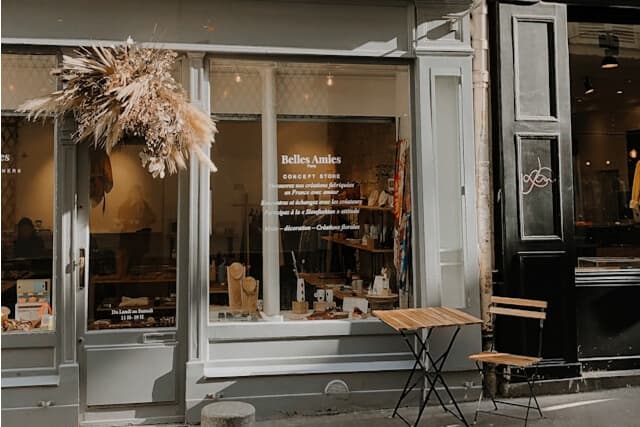
A concept store lives on discovery: the tourist who wandered in, the gift-hunter, the person who saw one shelf on Instagram. Great curation gets them through the door once — and then they leave, anonymous, and nothing in your shop knows how to bring them back for the next drop.
That's the real job of a loyalty card in this kind of retail. It's less about stamping daily visits — nobody buys ceramics daily — and more about converting an anonymous purchase into a member you can reach, and finally knowing how many of your buyers ever come back.
Retail where discovery is the product
Independent retail runs on a small returning core: industry estimates regularly suggest that a modest share of returning customers accounts for an outsized share of revenue. Treat any such figure as an estimate — but ask yourself the honest version of the question: out of last month's buyers, how many have ever bought from you twice? Most stores can't answer. After a month of scans, you can.
And unlike a café, your buying rhythm is event-driven: new collections, seasonal drops, launch nights. The card is how those events reach the people who already proved they like your taste.
How the card works at the till
One QR at checkout. The customer scans it while you wrap their purchase; the card lands in Apple Wallet or Google Wallet. No app, no email form on the counter.
One scan per purchase visit. Two seconds at the till — no POS integration, no new hardware.
A reward that matches the brand. It doesn't have to be a discount: a small object from the shop at five visits, early access to drops, gift-wrapping on the house. Perks read as taste; percent-off reads as clearance.
From footfall to a following
The moment purchases are scanned, the questions you've been guessing at get answers:
New vs returning. The share of your buyers who ever come back — the single most honest health metric a concept store has.
Drop response. Who actually showed up in the week after you announced the new collection — measured in visits, not likes.
Weekday patterns. The quiet Tuesday your rent is paying for — and which members might be tempted into it.
Your regular core. The twenty people who quietly carry your quarter — finally visible, and reachable when it matters.
Kardly's analytics are visit-based: we count scans, not basket value, and no POS integration is required. Where this guide mentions revenue, it's estimate arithmetic to redo with your own average sale.
Six mechanics that fit a concept store
Visits toward a perk. Five purchase visits, then a small object from the shop or a house perk — recognition in your own visual language.
Members-first drops. Card holders hear about the new collection a day early. Costs nothing, and it's the perk your best customers actually want.
Launch-night double. Event evenings count double — the card turns attendance into progress.
Quiet-day double. Double stamps midweek pull some of the Saturday browsers into the days that need them.
Bring-a-friend. A stamp when a member brings someone who joins — concept stores spread by recommendation; make it countable.
Pre-drop win-back. Before a new collection lands, nudge the members who haven't visited since the last one — the best possible reason to return.
Set it up before the next drop
Design the card. Your logo, your palette, a perk-style reward. Ten minutes, self-serve.
Put the QR at the till. The wrap-and-pay moment is when customers are happiest to join.
Scan at each purchase. Two seconds, from any phone behind the counter.
Use the list at the next drop. That's the payoff moment: an audience that already loves your taste, one message away.
Measure it honestly
Watch three numbers over a quarter: the share of buyers who join at the till (your capture rate), the share of members who come back at least once (your returning rate), and visits in the week after each drop announcement. The first tells you the QR is working; the other two tell you the following is real.
Estimate arithmetic: if your average sale is €45 and a drop announcement brings back 20 members who wouldn't have come, that's roughly €900 per drop — an estimate to redo with your own numbers, and one your dashboard will confirm or correct after two collections.
Frequently asked questions
Isn't a stamp card too "coffee shop" for a curated brand?
The mechanic is humble; the execution doesn't have to be. You control the design, and the reward can be early access or a house perk rather than a discount. Think membership card, not punch card.
My customers don't visit often — is a card still worth it?
That's exactly when it's worth it. At low frequency, the card's main job isn't the stamps — it's knowing who your buyers are, how many return, and being able to reach them when a new collection lands.
Do customers need to install an app?
No. The card goes straight into Apple Wallet or Google Wallet from a QR code — wallets their phones already have.
What does it cost to start?
You can design the card and go live the same day, self-serve — no demo call. Current plans are on the pricing page.
Your taste already brings people in. Put a card in their wallet, and the next drop won't have to start from zero.